What makes a Detroit beat like "Syrup" work for Rio Da Yung OG and Babyfxce E?
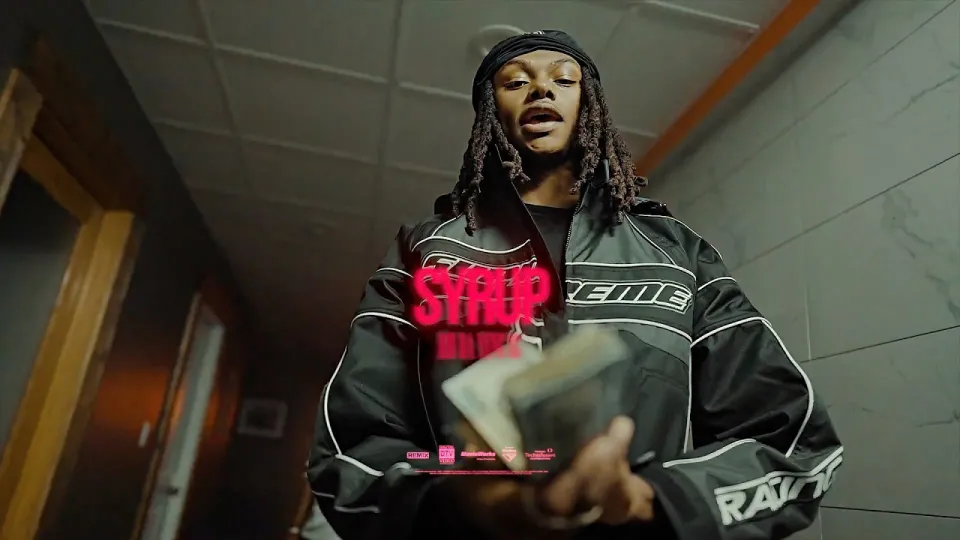
Need articles like this for your video? They help promote it on YouTube and Google — order them in the Telegram bot @sat_sit_bot. The bot writes and publishes the articles itself (with your YouTube video embedded) on popular topical websites (no ads). Your first 50 articles are free.
· based on the channel Reuel StopPlaying
A Detroit beat is a sparse, drum-forward instrumental built for deadpan, syllable-heavy raps, and "Syrup" is a free example made in that mold for Rio Da Yung OG and Babyfxce E. You can download it through the producer's beat link, but the free version is licensed for non-profit use only and requires written credit. The track was published on the Reuel StopPlaying channel on 7 March 2026.
What the Detroit type beat tag actually describes
The Detroit type beat label points to a production style, not a location requirement: mid-tempo drums, hard clipped 808s or kicks, tight hi-hat rolls and a loop short enough to leave space for dense bars. In Michigan rap, and especially in the Flint and Detroit scenes around Rio Da Yung OG, Babyfxce E, RMC Mike, Grindhard E, Krispylife Kidd and BabyTron, the beat usually stays out of the vocal's way. Producers keep the low end simple and repeatable, because the artist's delivery carries the rhythm as much as the drums do.
"Syrup" follows that logic. The title and the audience comments point to a hook-ready, slow-sipping theme rather than a melodic pop crossover, and the instrumental is designed so a verse can start on the first bar without hunting for the pocket.
How "Syrup" is put together as a Rio Da Yung OG x Babyfxce E type beat
The build of a type beat like this one usually comes down to four decisions a producer makes before the first verse is written:
- Tempo. Michigan rap sits in a narrow mid-tempo window where double-time flows still land clearly; too fast and the deadpan delivery loses weight, too slow and the hi-hats drag.
- Drum selection. Punchy, dry kicks and snares, short 808 tails, and hi-hat patterns that leave gaps rather than filling every step.
- The loop. A short melodic or vocal chop repeated with small variations — the kind of sample that stays recognizable after twenty bars and gives the hook something to sit on.
- Space for the vocal. No crowded mid-range, no busy counter-melodies under the verse; ad-libs and doubled lines need room to read as part of the beat.
That restraint is why the instrumental works as a type beat for two different artists: Rio Da Yung OG's delivery is conversational and relentless, while Babyfxce E leans on punchlines and a flatter cadence. A beat that stays minimal serves both without forcing a style change.
The free-use rules you agree to when you download the beat
The download is free, but the license is narrow, and it is worth reading before you upload anything. According to the producer's terms:
- Allowed: free demos and promo CDs, streaming your recording on YouTube, Facebook and similar platforms, and live shows that are not for profit.
- Not allowed: any for-profit use. If a track is monetized, sold, or released commercially, a non-exclusive or exclusive license must be purchased first.
- Credit is mandatory: the exact line is "Produced by (Producer Name) for SoundFirst Productions", written in every physical or digital distribution and in streaming descriptions such as a YouTube video description. Where written credit is genuinely impossible, recorded vocal credit must be given instead.
- The producer can change the policy: the terms state the right to amend them at the producer's discretion.
In practice, that means a verse recorded over "Syrup" can go on a free streaming upload with the credit line in the description, but it cannot be pushed to paid stores or claimed for monetization without a license.
Why listeners argue about the sample and the tag
The most-liked reactions to the beat split into two camps: people who find the sampled element funny and people who find it genuinely hard. Comments about the canned or milk reference, about not being able to take the track seriously at first and then admitting it knocks, and about the producer tag being the loudest part of the intro all describe the same thing — a beat whose novelty is also its hook.
That reaction is normal for type beats built on a recognizable, slightly absurd sample. The loop is memorable on first listen, which is exactly what makes it useful for a freestyle or a demo: the listener remembers the beat after one pass. The risk is that the sample becomes the whole identity of the song, so a rapper using it has to write a hook strong enough to compete with it.
Common questions from people who want to rap over it
Aspiring artists reacting to the upload tend to hit the same three walls.
Starting the verse. The most common complaint is not knowing where to begin. With a minimal Detroit-style beat, the easiest entry is to write the first four bars as plain statements over the kick pattern, then add the internal rhymes once the timing is comfortable. The beat does not require a melodic opener.
Recording on a phone or in a browser DAW. Several listeners mention moving to a free browser-based DAW or BandLab to record. That works for a demo, but check the export quality and keep the vocal dry enough that the drums still cut through; the beat is sparse, so a muddy vocal is immediately audible.
Thinking the beat is too funny to use seriously. The humor in the sample does not prevent a serious verse — it just sets the tone. If the contrast bothers you, write the verse straighter and let the beat carry the joke.
Detroit, Flint and the wider type beat ecosystem
The Detroit type beat search term sits inside a larger Michigan network of scenes. Flint artists such as Rio Da Yung OG and RMC Mike, Detroit figures like Babyfxce E, BabyTron and Grindhard E, and adjacent names like Krispylife Kidd, YSR Gramz and AK Bandamont all get their own type beat searches, and producers tag a single instrumental with several of those names to reach every audience. "Syrup" is tagged the same way: one beat, a list of artists whose fans might click.
For producers, that tagging strategy is the practical part of the format. For rappers, it means the same instrumental can be found through several searches, and the license terms travel with it regardless of which tag brought you in.
Useful links
- Buy or license the beat: https://bit.ly/2mxSONh
- Producer on Twitter: https://twitter.com/reuelethan
- Producer on Instagram: http://instagram.com/Reuelethan
Final thoughts on using a free Detroit type beat
"Syrup" is a working example of the Detroit type beat format: a short, memorable loop, dry punchy drums and enough empty space for a deadpan verse by a Rio Da Yung OG or Babyfxce E-style rapper. The free download is genuinely usable for demos, streams and unpaid shows, provided the credit line "Produced by (Producer Name) for SoundFirst Productions" appears wherever the track is posted. Anything commercial requires a paid license, and that is the line most people trip over. If you want to record over it or clear the rights, start at the beat link. This breakdown was prepared by the Reuel StopPlaying channel, which published the original type beat.
Key takeaways
- "Syrup" is a free Detroit type beat aimed at Rio Da Yung OG and Babyfxce E, published by the channel Reuel StopPlaying.
- The free download is licensed for non-profit use only: demos, streams, non-paid shows; any for-profit release needs a paid non-exclusive or exclusive license.
- Every use requires written credit: "Produced by (Producer Name) for SoundFirst Productions", including in video descriptions.
- Commercial rights and the beat file sit behind the link https://bit.ly/2mxSONh.
- The Detroit and Flint sound here leans on sparse, punchy drums, a short vocal or melodic loop and room for deadpan, syllable-heavy verses.
Questions & answers
Can I upload a song over "Syrup" to YouTube or Spotify?
YouTube and similar free streaming platforms are covered by the non-profit terms, as long as you include the written credit line "Produced by (Producer Name) for SoundFirst Productions" in the description. Paid streaming distribution and monetized releases count as for-profit use, so they require a non-exclusive or exclusive license bought through the producer's link.
Do I have to credit the producer if I only use the beat for a free demo?
Yes. The terms require written credit on all physical and digital distributions and on streaming uploads, in the exact format given. If written credit is truly impossible in a given context, recorded vocal credit must be provided instead.
Why does the sample in the beat sound funny or odd?
Type beats often use a short, slightly absurd vocal or melodic chop because it makes the loop stick after one listen. Listeners reacting to the sample are responding to that memorability; the instrumental is still built with punchy drums and open space so a serious verse can sit on it.
What tempo and setup should I use to rap over a Detroit type beat like this?
Stay in the mid-tempo range where double-time flows still read clearly, write the first bars as plain statements over the kick pattern, and record with a clean, dry vocal so the sparse drums are not buried. A free browser DAW works for a demo, but check the export quality before uploading.
Source: [FREE] Rio Da Yung OG x Babyfxce E Type Beat - “Syrup” | Detroit Type Beat · Markdown version